












Air Compressor Filters 101 – What You Need to Know to Protect Your System
In industrial applications, air filtration isn’t just about protecting the compressor; it’s about protecting your entire operation. A well-specified air filter safeguards equipment, preserves airflow quality, and helps maintain consistent pressure and performance. Whether you’re operating in a dusty mill environment or a cleanroom, the right filtration system can dramatically reduce downtime, energy loss, and maintenance intervals.
OEM vs Non-OEM Parts Explained: What Manufacturers See That Others Don’t
When your operation depends on continuous, high-performance output, the smallest component can have an outsized impact. At first glance, a non-OEM or aftermarket part may appear identical to the original. It may even fit.
But in precision equipment, “fits” and “functions” are not the same thing.
As the Original Equipment Manufacturer (OEM), we design, engineer, and validate every component using original performance data, proprietary material specifications, and rigorous testing protocols. Each part is developed as part of an integrated system—built for durability, efficiency, and long-term reliability.
That perspective gives us a clear view into what happens when third-party parts are introduced into high-performance equipment. Here’s what operators should understand, straight from the source.

How Air Compressors Are Used in Snowmaking Operations
Snowmaking plays a critical role in modern ski resort operations. It allows facilities to extend the season, maintain consistent surface conditions, and reduce reliance on variability in natural snowfall.
At the center of this process is compressed air, specifically centrifugal compressors. It drives snow production and represents one of the highest operational costs for ski resorts. In many systems, compressed air accounts for up to 75% of total snowmaking energy consumption, making system efficiency a key factor in overall cost control.

Understanding Your Compressor Control System Technology
Compressor control technology has come a long way, from mechanical switches and relays to smart, touchscreen interfaces that integrate with plant-wide automation platforms. FS-Elliott’s history in this space mirrors that shift. As control needs became more complex, each generation of FS-Elliott’s systems brought new capabilities to help operators better manage performance, energy use, and maintenance.
Controlling a Multiple Compressor Installation Using Integrated Compressor Control
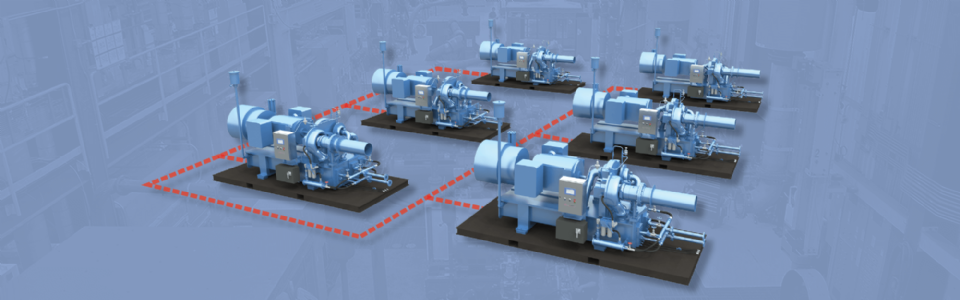
Integrated Compressor Control (ICC) is a coordinated sequencing feature that allows multiple compressors to maintain a constant system pressure while ensuring maximum energy efficiency and minimal blow-off.
When using the ICC feature, compressors are connected through an integrated Peer-to-Peer (P2P) network. The P2P network, coupled with the ICC sequencing software included in each of the local control panels, allows users to select any of the networked compressors as the master controller, thus creating redundancy and reducing cost by eliminating the need for a separate master controller.
Modernizing Your Compressor Controls: A Practical Guide to Improving Reliability and Efficiency
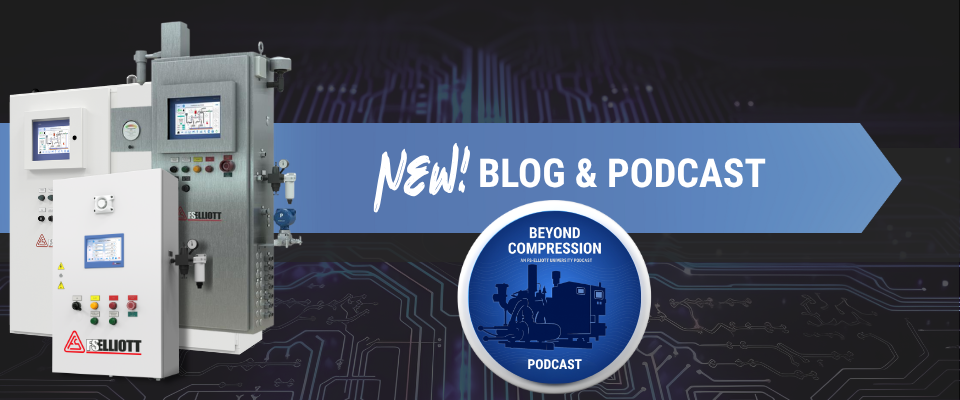
As facilities continue modernizing their operations, compressor control systems have become one of the most effective areas to improve reliability, energy efficiency, and day-to-day visibility. What began decades ago as simple protection logic has evolved into a plant-wide intelligence platform that helps operators run cleaner, safer, and more efficiently.
This blog highlights how compressor controls have evolved, why modernization matters, and what today’s systems can offer, while our latest Beyond Compression podcast episode takes a deeper dive into the full discussion.
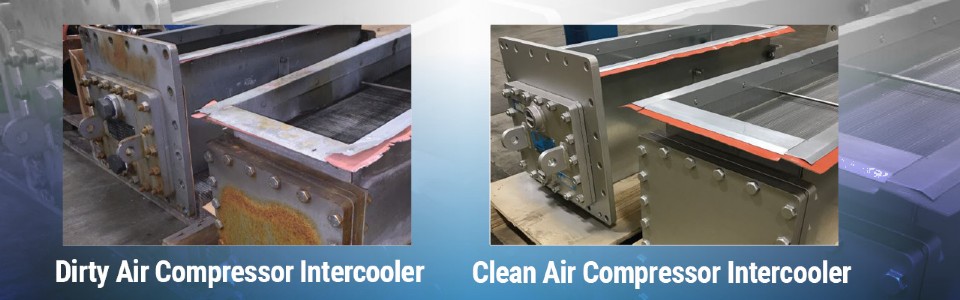
Air Compressor Intercooler Function & Maintenance Guide
Proper intercooler maintenance is essential for reliable performance, efficient operation, and long equipment life in multi stage air compressors. Intercoolers reduce compressed air temperature between stages, help remove moisture, and improve overall system efficiency. Regular inspection and cleaning ensure peak performance and prevent costly downtime.
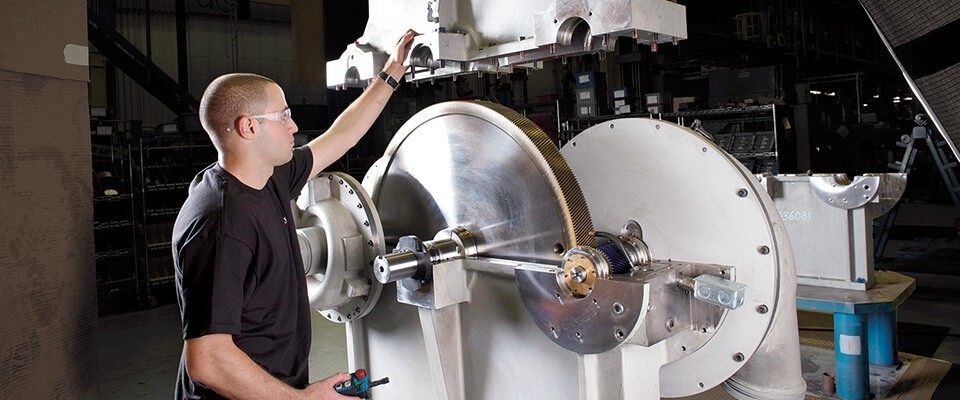
Rerate or Replace? How to Maximize Compressor Efficiency Without New Equipment
Rerating an existing compressor package provides a cost-efficient path to enhance plant air capacity without purchasing a new centrifugal compressor package. This approach eliminates the complexities associated with minimum bid procurement, budget approval, and permits for acquiring a new compressor. Organizations can increase capacity and efficiency by rerating existing equipment while saving time and money.

FS-Elliott Centrifugal Air Compressors: Proudly Engineered and Manufactured in America
For over 60 years, FS-Elliott has proudly manufactured centrifugal compressors right here in the United States. From design and engineering to machining, assembly, and performance testing, our commitment to American manufacturing is deeply rooted in who we are as a company. We believe that building our products domestically isn’t just about location; it’s about delivering unmatched quality, responsiveness, and reliability to the industries that power our nation.
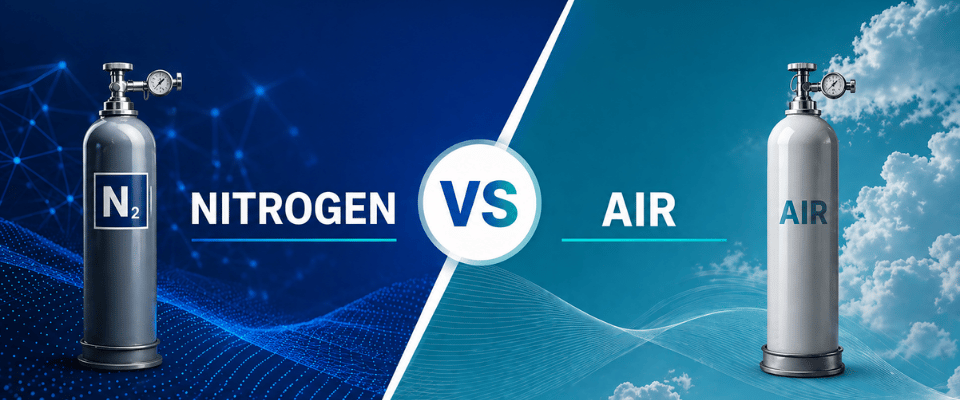
What is the Difference Between Compressing Nitrogen and Compressing Air?
Compressed nitrogen and compressed air both power critical industrial systems, but their different physical and chemical properties lead to important distinctions in compressor design, safety, and packaging.
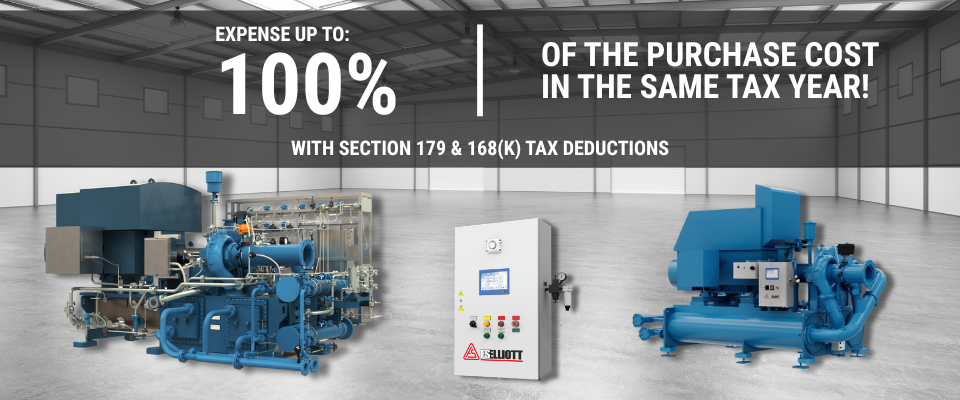
Leveraging Section 179 & Section 168(k) Tax Benefits
Now is the perfect time to upgrade your facility with FS-Elliott compressors and control systems, thanks to powerful tax incentives under Section 179 and Section 168(k) of the U.S. Tax Code.
These tax provisions allow businesses to recover the cost of capital investments faster, meaning you keep more cash in your business while investing in performance, reliability, and efficiency.

Site Conditions to Consider When Sizing your Compressor
Centrifugal compressors provide compressed air for a wide range of applications across various industries, including food and beverage processing, petrochemical plants, and oil refineries. While flow and pressure requirements often drive initial selection, site conditions ultimately determine how the compressor performs in real operation.
Ambient conditions such as temperature, pressure, and humidity directly affect air density, which in turn impacts mass flow, power consumption, and achievable capacity
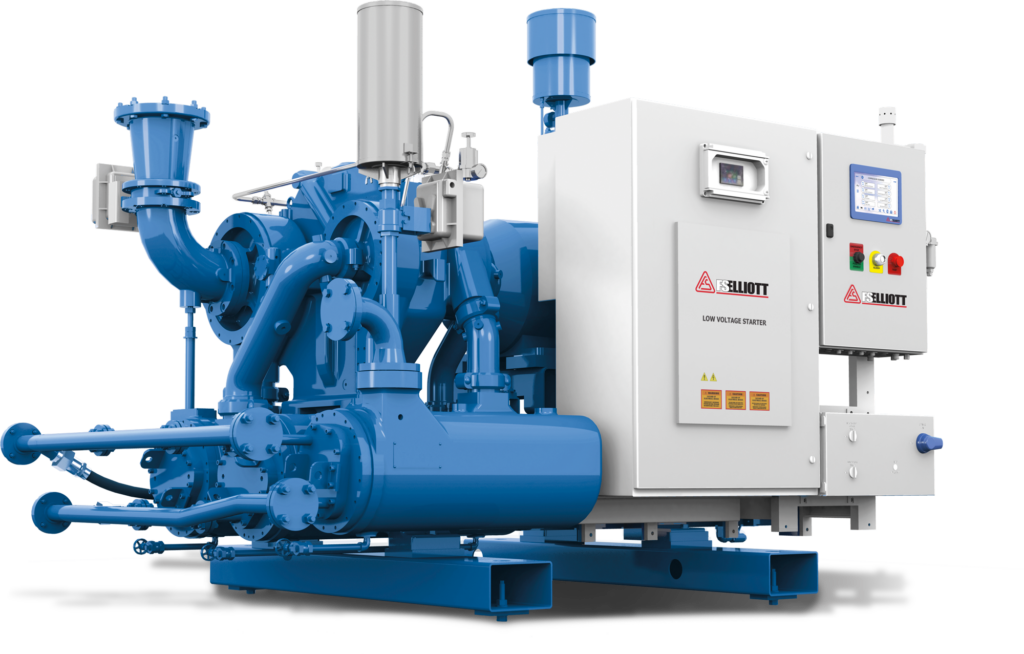
Types of Air Compressors – The Ultimate Cheat Sheet
The time has come to update your compressed air system, but with many options available, which type of air compressor is the best choice?

Boosting LNG Production Efficiency with FS-Elliott’s PAP Plus Compressor
FS-Elliott, a global leader in centfigual compressor technology, delivers high-performance air solutions engineered to optimize industrial operations. In the LNG production, where reliability and precision are paramount, the PAP Plus compressor delivers exceptional customization options and unwavering reliability. In this blog post, we explore the key features of the PAP Plus® compressor and its impact on enhancing LNG plant efficiency and reducing downtime

How are FS-Elliott and Elliott Turbomachinery Different?
The histories of Elliott Turbomachinery and FS Elliott begin in the same place but diverge across decades of innovation and corporate evolution.

The Benefits of Double Flow: Introducing the P650 DF
The Polaris® P650 DF delivers a unique solution for high-flow demands, doubling performance in a compact, efficient, and cost-effective package. Built on FS-Elliott’s 60+ years of oil-free air expertise, the P650 DF combines high capacity with unmatched efficiency and reliability, setting a new standard for industries demanding ISO 8573-1 Class 0 oil-free compressed air.

Compressed Air Costs: 7 Expenses That Every Manufacturer Should Track
A common mistake when purchasing an air compressor is choosing based on upfront capital cost alone, rather than considering the full cost of ownership. Because energy consumption and equipment maintenance can quickly drive up ownership costs, it is critical to understand what contributes to these expenses at your facility. To get started in your cost savings journey this year, you must first identify the following costs associated with your system.
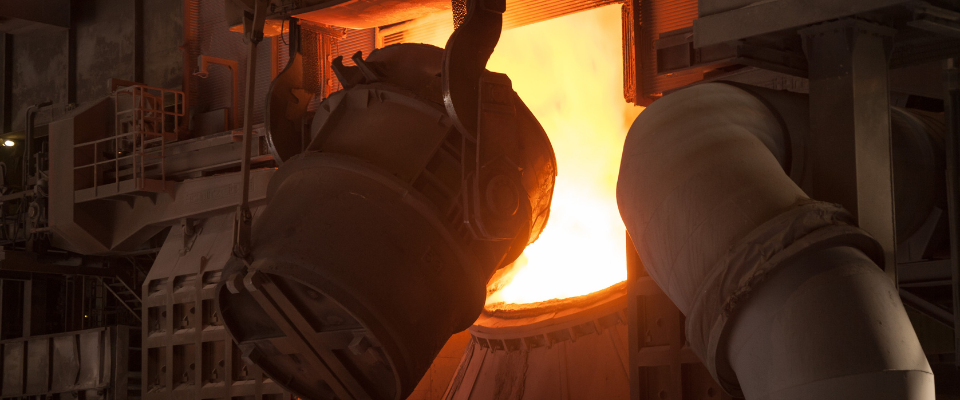
Steel Manufacturer Achieves $40K Annual Savings with Centrifugal Compressor Upgrade
In stainless steel production, uninterrupted uptime isn’t just a target; it’s critical. From powering automation and actuators to supporting cooling and descaling systems, compressed air plays a crucial role in ensuring every part of the mill operates at peak performance.
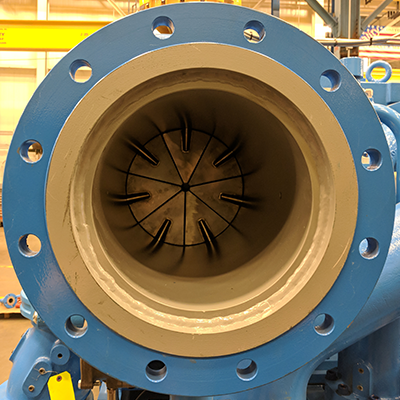
What’s the Difference Between Inlet Guide Vanes vs. Inlet Butterfly Valves?
When evaluating the performance of a centrifugal compressor, few components have as much influence over energy efficiency and airflow control as the inlet control mechanism. Two common technologies, Inlet Guide Vanes (IGVs) and Inlet Butterfly Valves (IBVs), offer different approaches to managing inlet pressure and flow, each with its own impact on performance, energy use, and long-term operating costs.
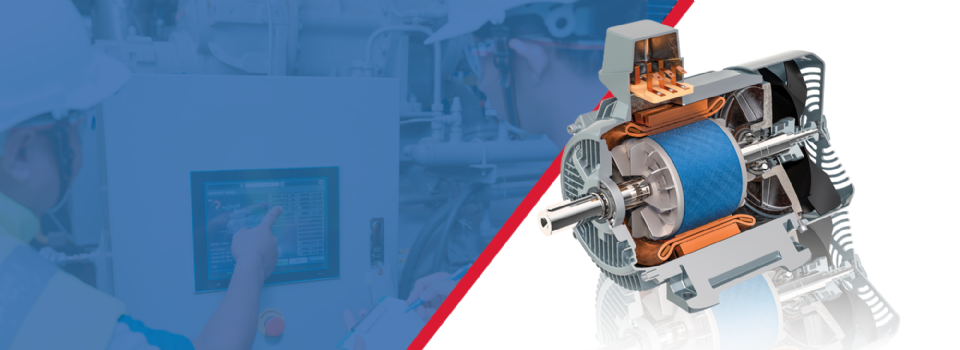
How Often Should You Start and Stop an Air Compressor Motor?
In industrial environments where compressed air demand fluctuates, it’s common to start and stop the air compressor motor based on process needs. While this is standard practice, excessive or unnecessary cycling can damage internal components, especially the motor windings, and reduce long-term system reliability. Understanding how often is too often is key to protecting your compressor investment.

How to Prevent Your Air Compressor Motor from Overheating This Summer
Reduce the risk of failure in your centrifugal air compressor by thoroughly checking your motor this summer season. High temperatures and increased usage during warmer months can strain motor components, making it essential to stay vigilant. Below, we explore the most common causes of air compressor overheating and what you can do to prevent costly damage and downtime.

Protect Your Centrifugal Air Compressors This Summer with TurboCool Lubricant
As summer temperatures climb, ensuring your centrifugal air compressors are ready for the heat is critical to maintaining system performance and avoiding costly downtime. High temperatures and humidity levels put added stress on your equipment, especially on key components.

Discover How to Use Heat Recovery to Cut Your Energy Costs
In industrial operations, compressed air plays a vital role across a range of manufacturing processes. As air undergoes compression, its moisture content rises significantly. Air compressor manufacturers use intercoolers and aftercoolers to remove much of the water from the air stream to address this. Still, the coolers alone do not remove enough moisture for some applications, and an external dryer, particularly heat of compression (HOC) dryers, become critical.
API 614 and API 672 Air Compressor Standards Guide
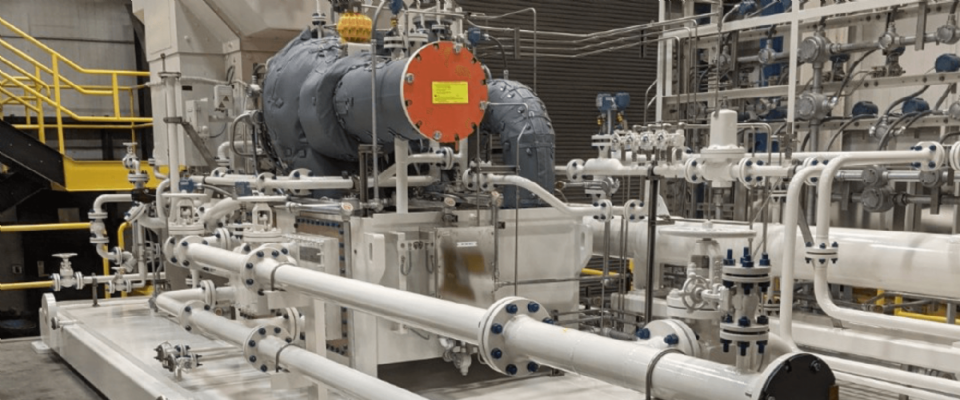
Compressed air is often called the “4th utility” after electricity, water, and gas, making reliable air compression a critical part of any industrial process. The loss of compressed air can result in costly unplanned downtime, resulting in hundreds of thousands or even millions of dollars in lost production per day. This is particularly true in many Oil, Gas, Chemical, and Liquified Natural Gas (LNG) applications that rely on compressed air throughout the upstream and downstream processes.

Understanding Differential Pressure in Your Compressors
Differential pressure (DP) refers to the variance in air pressure between two defined points within a compressor system. Monitoring DP provides insight into system efficiency, component wear, and early indicators of potential signs that your compressor needs maintenance. Whether you’re working with rotary screws or centrifugal compressors, understanding where this pressure difference occurs and why helps prevent performance degradation and unplanned downtime.
Meet the P400HPR: Powerful, Efficient High-Pressure Compressor
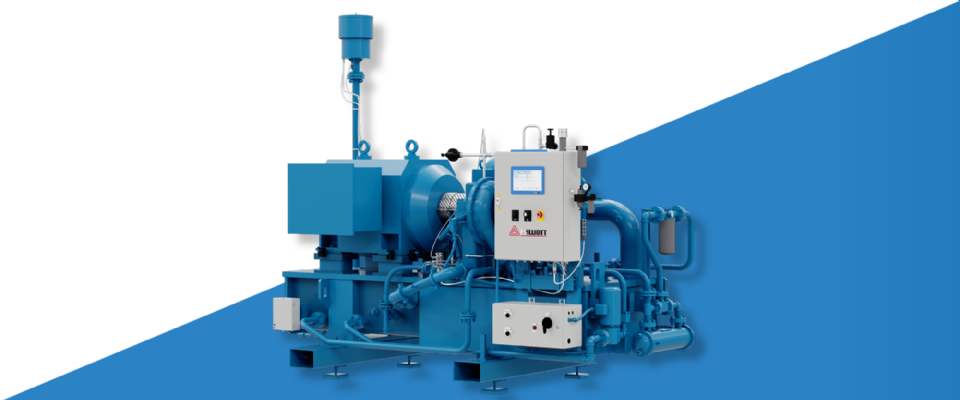
We are thrilled to unveil the latest addition to our compressor family – the P400HPR! With the P400HPR, we have taken high-pressure compression to new heights. Suppose you work in pharmaceuticals, food and beverage, aerospace, or general manufacturing. In that case, the P400HPR is built to handle your toughest compressed air needs while helping you control energy use and reduce operational costs.

How to Calculate Your Compressed Air Energy Costs
Energy usage accounts for up to 75% of a compressed air system’s total life-cycle cost, making it the single most significant expense for facilities operating industrial air compressors. While the initial purchase and ongoing maintenance matter, understanding your compressed air energy consumption is essential for identifying savings opportunities and optimizing system performance.

What Can Oil-Free Air Compressors do for Your Plant?
Across industries, plant operators face growing pressure to reduce operating costs, protect product quality, and meet stringent environmental standards. One of the most effective ways to meet all three goals is by integrating ISO 8573-1 Class 0 certified oil-free air compressors into your compressed air system.

Is Synthetic Lubricant Right for Your Compressor?
Now that you have invested in a centrifugal as your compressed air solution, it is important to understand the differences between using a full synthetic compressor lubricant and a general-purpose lubricant. The difference between the two options may surprise you.

Are Compressed Air Audits the Key to Lowering Your Energy Costs?
Manufacturing facilities spend nearly 40% of their energy costs on compressed air, having an efficient system is key to keeping expenses down and profits up. Unfortunately, not all systems operate in the most efficient manner possible, and we see it every day – compressors not appropriately sized, outdated technology, air leaks, pressure drops – the list can go on and on.