










How Often Should You Start and Stop an Air Compressor Motor?
June 26, 2025
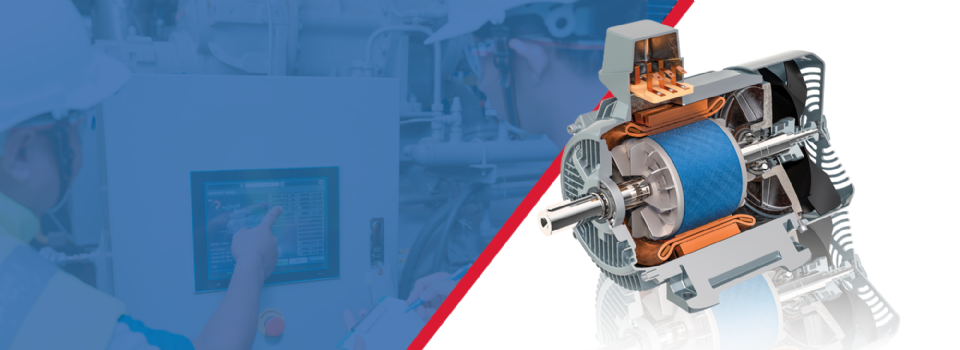
In industrial environments where compressed air demand fluctuates, it’s common to start and stop the air compressor motor based on process needs. While this is standard practice, excessive or unnecessary cycling can damage internal components, especially the motor windings, and reduce long-term system reliability. Understanding how often is too often is key to protecting your compressor investment.
NEMA Guidelines on Compressor Motor Starting Frequency
The National Electrical Manufacturers Association (NEMA) warns that frequent starts reduce motor lifespan. One standard has been highlighted below:
- “… the life of the motor is affected by the number of starts.”
To minimize these risks, NEMA recommends limiting motor starts per hour based on design. To assist our compressor operators, FS-Elliott control systems provide protection from frequent starting of the motor. Our software allocates two starts within a 60-minute timeframe for the user to perform. If the compressor would need to be started for a third time within the 60-minute time frame, then a bypass would be required to override the safety feature. But doing so should be avoided as much as possible since these additional starts can wear on the machine over time.
What to Know About Starters and Motor Compatibility
Both starters and motors are heavily impacted by frequent starts and stops, so paying extra attention to these areas is important. At FS-Elliott, we work to provide the best-in-class motors and starters with each of our Polaris® and PAP Plus® machines. However, if you select your own starter and motor, many factors should be considered.
Starter Selection
- Wye-Delta
- Full Voltage Across the Line
- Reduced Voltage Solid State
Motor Management
Avoiding Short Cycling and Protecting Motor Life
Short cycling is a risk that operators take when turning an air compressor motor on and off too frequently. This creates inefficient energy spikes and increased thermal load, as motors draw much higher current at startup than during steady operation. Without time to dissipate heat, motor temperature compounds, leading to insulation breakdown and decreased lifespan. FS-Elliott control panels offer hot motor protection to prevent operators from dangerous frequent starts and stops.
Protecting Your Compressor Through Smarter Motor Management
Protect Your Compressor Motor with Proper Start/Stop Practices
Connect with our team to explore how proper compressor start/stop procedures and advanced control systems can help reduce motor wear, prevent unnecessary downtime, and support long-term equipment reliability.
YOU MAY ALSO LIKE
Continue Reading

How Compressed Air Impacts Product Quality and Efficiency in Automotive Manufacturing
Automotive manufacturing relies on compressed air at virtually every stage of production. From robotic assembly and paint operations to material handling and battery manufacturing, compressed air powers critical processes that keep production moving.
Polaris P650 DF Brochure
Maximize airflow and efficiency with FS-Elliott’s Polaris P650 DF (Double-Flow) centrifugal air compressor, delivering 10,000 to 20,000 CFM of ISO 8573-1 Class 0 oil-free air. Our brochure highlights its innovative dual-inlet design, compact footprint, advanced technologies, and performance features designed to support reliable, energy-efficient operation.

Polaris P750 Brochure
Experience high-capacity, energy-efficient performance with FS-Elliott’s Polaris P750 centrifugal air compressor, delivering up to 22,100 CFM of ISO 8573-1 Class 0 oil-free air. Our brochure highlights its compact design, advanced technologies, performance capabilities, and innovative features designed to support reliable operation and reduced lifecycle costs.

FS-Connect Brochure
Stay connected to your centrifugal compressors with FS-Elliott’s FS-Connect remote monitoring solution. Our data sheet highlights real-time monitoring, performance trending, notifications, and available subscription options designed to improve equipment visibility, support proactive maintenance, and minimize unplanned downtime.