industrial centrifugal air compressors
ポラリス® P500
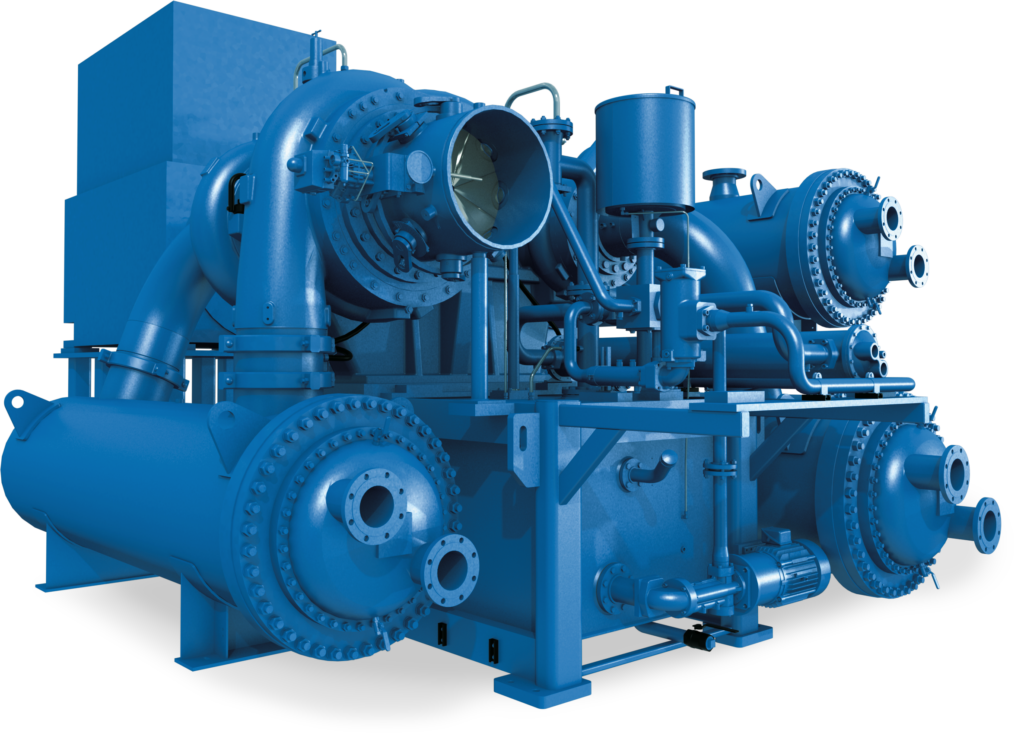
The Polaris P500 centrifugal compressor delivers reliable, energy-efficient, oil-free compressed air for demanding industrial applications.
Available in two- and three-stage configurations, the P500 provides airflow capacities up to 5,450 CFM (155 m³/min). Its proven aerodynamic design helps optimize energy efficiency, while its robust construction and maintenance-friendly features simplify servicing and long-term operation.
As part of FS-Elliott’s Polaris series, the P500 offers manufacturers a cost-effective compressed air solution designed to reduce operating expenses and support dependable performance throughout the compressor’s lifecycle.
Performance Specifications
Match the P500 to your operating requirements, then configure the package around your site and process.
FLOW
2,600 – 5,450
CFM
PRESSURE
40 – 175
PSIG
POWER
600 – 1,200
HP
AIR QUALITY
ISO 8573-1 CLASS 0
WEIGHT
14,900 lb
DIMENSIONS (L × W × H)
132 x 85 x 85 in
FLOW
70 – 155
m3/min
PRESSURE
2.75 – 12
barg
POWER
450 – 900
kW
AIR QUALITY
ISO 8573-1 CLASS 0
WEIGHT
6,758 kg
DIMENSIONS (L × W × H)
3353 x 2160 x 2160 mm
Specifications vary by configuration.
Features & Benefits
The Polaris P500 is engineered to deliver ISO 8573-1 Class 0 oil-free air with the reliability and efficiency needed for demanding industrial applications.
Its oil-free design helps protect critical processes and finished products from compressor oil contamination, while integrated controls and monitoring capabilities help operators maintain visibility into compressor performance and support reliable operation.
Confidence for Critical Air Demands
The Polaris P500 is engineered to deliver ISO 8573-1 Class 0 oil-free air with the reliability and efficiency required for demanding industrial applications.
Its oil-free air path helps protect processes from compressor oil contamination, while integrated monitoring and control capabilities help operators maintain visibility into compressor performance and condition.
Optimized Design, Efficient Operation
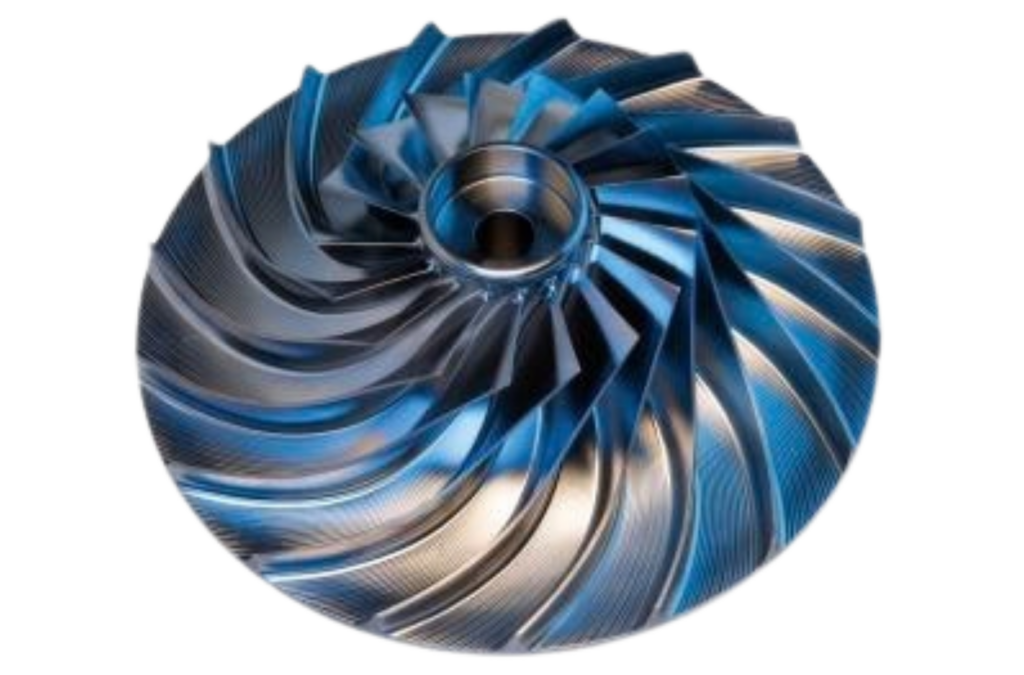
Polaris compressors combine optimized aerodynamics, efficient intercooling, and custom-designed impellers to reduce power requirements and optimize airflow.
Mechanically superior bearings and adjustable inlet guide vanes further support efficient operation by reducing power consumption and responding to changing plant conditions and air demand.
Designed with Service Access in Mind
The horizontally split gear case provides technicians with convenient access to internal components for inspection and service, while the removable airend simplifies maintenance and replacement to help minimize downtime. Straight-through intercooler tubes allow for easier periodic cleaning, and the Regulus® control system helps operators monitor and optimize compressor performance.
These design choices support a practical maintenance strategy for equipment your facility depends on.
Optimize Compressor Performance
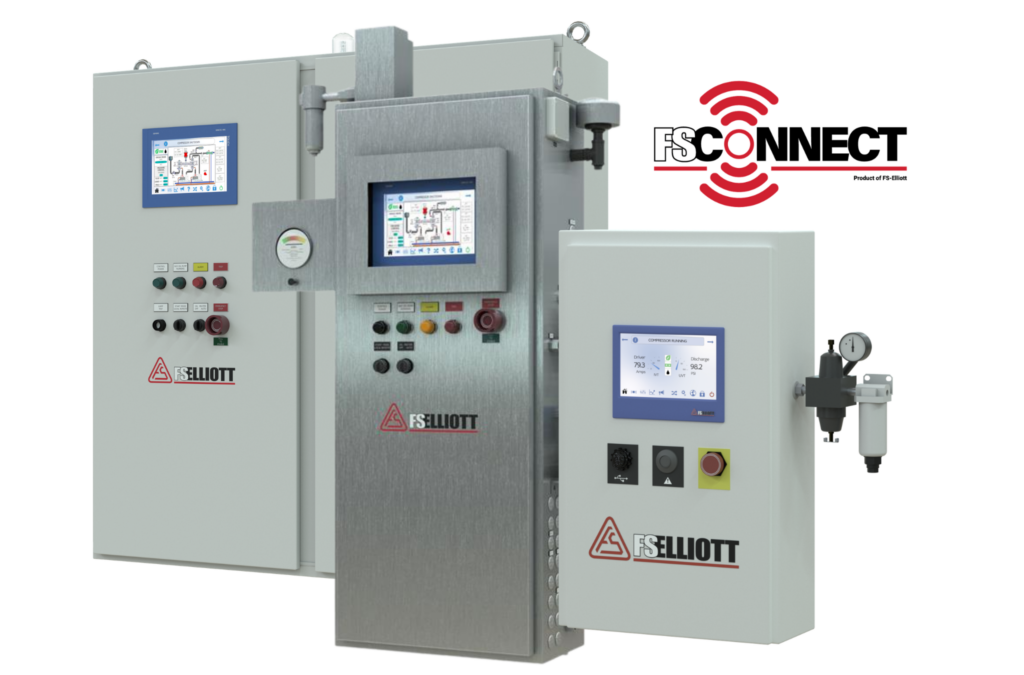
Regulus control systems provide intuitive control and real-time visibility into compressor performance, helping operators monitor critical data and respond to changing plant conditions.
Advanced control capabilities simplify operation, support efficiency, and provide the information needed to maintain reliable compressor performance.
Long-Term Support You Can Count On
FS-Elliott supports customers throughout the life of their centrifugal compressor with a standard two-year bumper-to-bumper warranty. For added protection, our optional SteadiAIR® extended warranty provides three additional years of airend coverage, extending protection to a total of five years. Our factory-trained channel partners and global service network provide expert maintenance, technical assistance, and ongoing support.
Our Rapid Response Storage Center provides quick access to replacement airends when needed, while FS-Connect delivers added insight into compressor operation and performance.
From commissioning and service to parts, technical support, and long-term equipment needs, we’re here to help keep your compressor performing reliably for years to come.
Placeholder Text 6
Heading
Explore Key Components of the Polaris P500
AXIAL PROBE
Senses shaft end position and/or thrust collar position and notifies operator via the control panel should the rotor assembly move beyond the alarm or trip set points.
CONDENSATE DRAIN
Provides a regulated discharge of condensate and eliminates the loss of compressed air.
CONTROL SYSTEMS
Featuring the most powerful processors in the industry, the Regulus line offers unprecedented compressor control, providing reliable, efficient operations and substantial energy savings.
CONTROL VALVE
Production areas use air operated valves and cylinders.
DRAIN VALVE
Only discharges condensate when the reservoir is full, eliminating water without losing air.
DUAL OIL FILTERS
FS-CONNECT
FS-Connect has been designed to give you visibility of the operational status and performance of your FS-Elliott air compressor.
FSE-TURBOCOOL
Lubricants and additives designed to minimize harmful buildup and maximize equipment operating cycles.
Proven Across Critical Industries
洞察とリソース

How Compressed Air Impacts Product Quality and Efficiency in Automotive Manufacturing
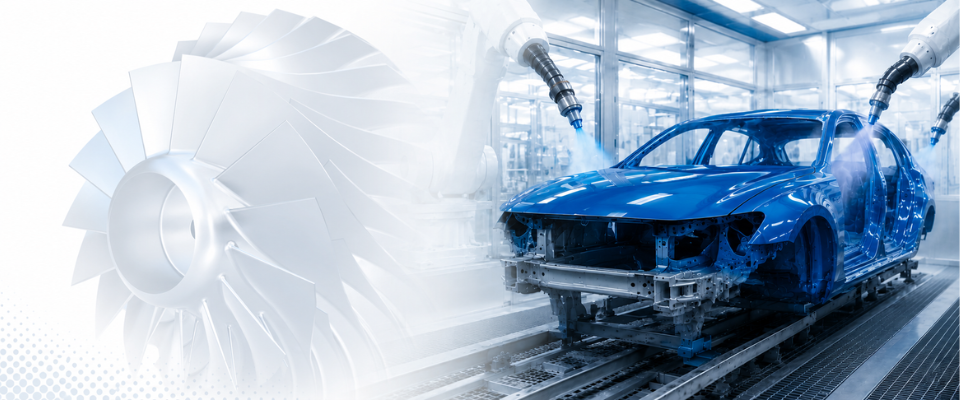
Automotive manufacturing relies on compressed air at virtually every stage of production. From robotic assembly and paint operations to material handling and battery manufacturing, compressed air powers critical processes that keep production moving.

Beyond the Price Tag: The Long-Term Cost of Compressed Air
Compressed air is one of the most widely used utilities in industrial operations, and one of the most expensive. While the upfront cost of a compressor often gets the spotlight, it’s only a small part of the total cost of ownership. The real expenses come from energy consumption, system inefficiencies, maintenance practices, consumables, and downtime.

Optimizing Manufacturing Operations: Managing Cost Fluctuations & Proven Strategies for Success
Manufacturers continue to operate in an environment where cost volatility is difficult to avoid. Raw material pricing, labor availability, transportation costs, and broader economic conditions can all shift quickly, placing pressure on margins and long-term planning.