










Prevent Centrifugal Compressor Downtime with the Right Lubricant
When manufacturers calculate the cost of unplanned downtime, the equation often begins with lost production. But the true impact can extend much further. Labor costs continue while production is interrupted, maintenance teams may be forced into reactive repairs, and equipment issues can create quality or performance concerns that persist even after the immediate problem is resolved.
Seasonal Maintenance Checklist for Centrifugal & Rotary Screw Air Compressors

A combined perspective from the compressed air experts at FS-Elliott and FS-Curtis. Seasonal temperature changes don’t just affect the weather; they directly impact compressed air system performance, efficiency, and reliability. Regardless of your compressor technology, shifts in temperature and humidity introduce new challenges that can quietly reduce efficiency, strain components, and lead to unplanned downtime.
How to Specify a Centrifugal Compressor for Reliability and Lower Lifecycle Costs

When specifying a centrifugal compressor, the decisions made during the engineering phase can influence far more than equipment selection. Compressor specifications affect reliability, efficiency, project costs, installation requirements, controls architecture, lead times, and long-term operational performance.
How Compressed Air Impacts Product Quality and Efficiency in Automotive Manufacturing
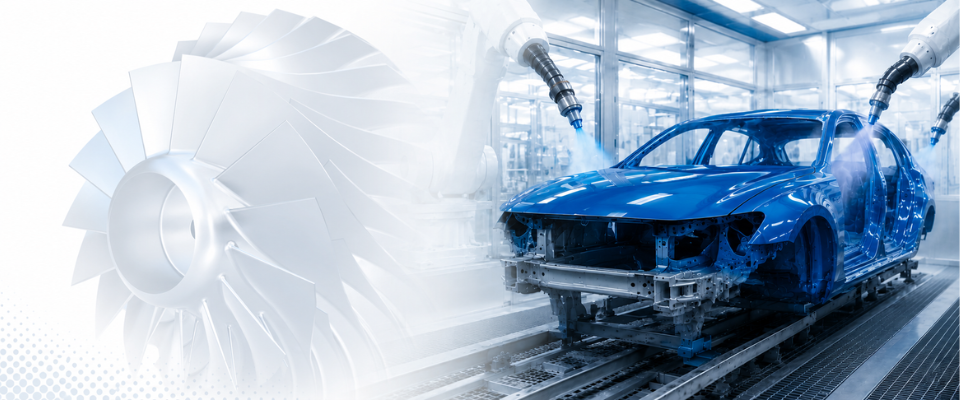
Automotive manufacturing relies on compressed air at virtually every stage of production. From robotic assembly and paint operations to material handling and battery manufacturing, compressed air powers critical processes that keep production moving.
Why Manufacturers Are Switching to Oil-Free Compressed Air

Compressed air is often called the fourth utility, but in many manufacturing environments, it also plays a direct role in product quality, operational efficiency, and regulatory compliance. That makes air quality more important than many facilities realize.
Custom Aerodynamics for Centrifugal Compressors
A commonly overlooked factor behind compressor performance is the influence of on-site conditions and the impact they can have on compressor design, daily operation, and running costs. These factors can directly affect energy consumption, daily operations, and system efficiencies, which are critical metrics for facility operators.
Beyond the Price Tag: The Long-Term Cost of Compressed Air
Compressed air is one of the most widely used utilities in industrial operations, and one of the most expensive. While the upfront cost of a compressor often gets the spotlight, it’s only a small part of the total cost of ownership. The real expenses come from energy consumption, system inefficiencies, maintenance practices, consumables, and downtime.
OEM vs Non-OEM Parts Explained: What Manufacturers See That Others Don’t
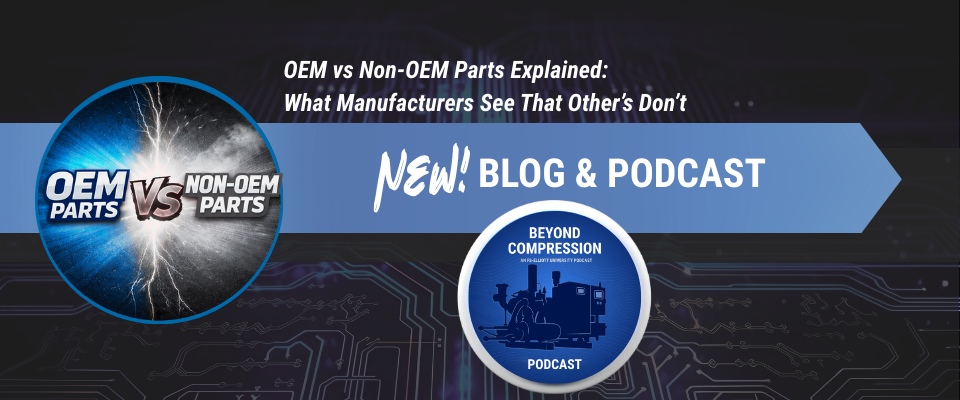
When your operation depends on continuous, high-performance output, the smallest component can have an outsized impact. At first glance, a non-OEM or aftermarket part may appear identical to the original. It may even fit.
But in precision equipment, “fits” and “functions” are not the same thing.
As the Original Equipment Manufacturer (OEM), we design, engineer, and validate every component using original performance data, proprietary material specifications, and rigorous testing protocols. Each part is developed as part of an integrated system—built for durability, efficiency, and long-term reliability.
That perspective gives us a clear view into what happens when third-party parts are introduced into high-performance equipment. Here’s what operators should understand, straight from the source.
Modernizing Your Compressor Controls: A Practical Guide to Improving Reliability and Efficiency
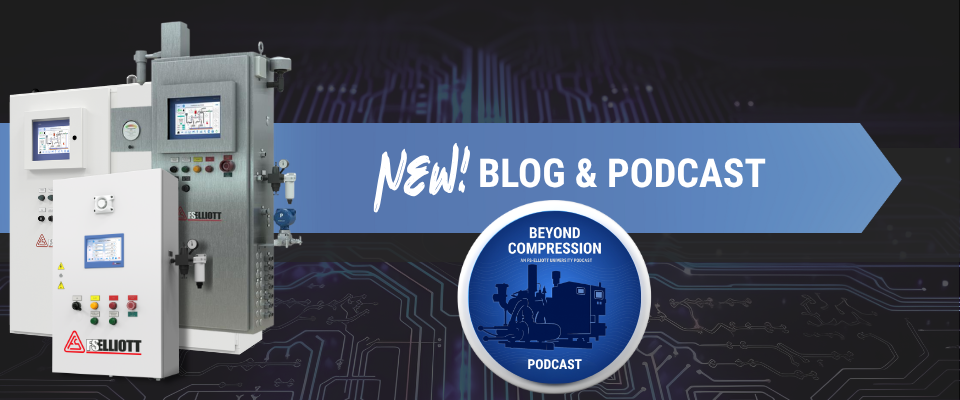
As facilities continue modernizing their operations, compressor control systems have become one of the most effective areas to improve reliability, energy efficiency, and day-to-day visibility. What began decades ago as simple protection logic has evolved into a plant-wide intelligence platform that helps operators run cleaner, safer, and more efficiently.
This blog highlights how compressor controls have evolved, why modernization matters, and what today’s systems can offer, while our latest Beyond Compression podcast episode takes a deeper dive into the full discussion.