











Summer Air Compressor Cooler Maintenance
julho 16, 2021
As temperatures rise, air compressors cooling systems often face additional strain. Intercoolers, aftercoolers, and oil coolers that performed well during cooler months may struggle to maintain operating temperatures when exposed to higher ambient temperatures and humidity.
A seasonal cooler inspection can help identify fouling, restricted airflow, and other issues before they affect compressor performance. Taking time to inspect and clean coolers before peak summer temperatures arrive may help reduce downtime and maintain consistent airflow throughout the season.
How Dirty Air Coolers Affect Compressor Performance
Dirty intercoolers and aftercoolers can increase the temperature inside the compressor due to higher humidity levels and rising temperatures. If you do not schedule time for intercooler maintenance, your coolers may schedule it for you, causing a loss of plant air.
Dirty or aged intercoolers can increase air temperature and reduce air density in the compression stage, resulting in a reduction in the efficiency range or turndown. Ultimately, this will decrease the airflow produced. In the summer months, heat and humidity can exacerbate this situation, further compromising an air compressor’s capacity.
These factors create the perfect environment for a surge, which occurs when inlet flow is reduced to the degree that is insufficient to overcome the discharge pressure of the compressor. Compressors that experience surge are operating in a state of aerodynamic instability. Surge is a state of the air compressor that, if experienced long enough it could cause harm to the components of the compressor.
Maintaining Proper Oil Temperature
Another important cooler to keep clean is the oil cooler. Oil coolers help maintain the air compressor’s oil at a steady temperature level of 115-125F. Higher temperatures above 140F can affect the quality of the oil and lead to varnish. Anything below 115F will carry water, which decreases oil lubricity, leading to early bearing failures and failures of other parts that are lubricated by the oil. Keeping the oil cooler clean will help maintain the oil temperature at the ideal 115-125F/C levels.
Why Summer Conditions Matter
Higher ambient temperatures reduce a cooling system’s ability to remove heat from the compression process. Increased humidity can further affect cooler performance, particularly when heat exchangers are already partially restricted by dirt, debris, or scale buildup.
As cooling efficiency decreases, compressor temperatures rise. This can affect air density, operating range, and overall compressor performance. Facilities operating near peak demand during summer months may notice these effects sooner than during cooler parts of the year.
Recommended Cooler Inspection and Cleaning Intervals
With this in mind, FS-Elliott’s scheduled maintenance guidelines call for annual inspection of all heat exchangers, including intercoolers, aftercoolers, and oil coolers.
- Intercooler(s) & Aftercooler – Replace tubesheet gaskets every 8,000 hours or annually
- Oil Cooler – Replace tubesheet gaskets every 8,000 hours or annually
- Drains – Test condensate drain valves or auto drain traps every 2,000 hours or quarterly
- Check the cold temperature differential (CTD) – Check every 2,000 hours or quarterly
Preparing for Warmer Weather
Summer operating conditions can place additional demands on compressor cooling systems, making routine inspections even more important. Clean intercoolers, aftercoolers, and oil coolers help support stable operating temperatures, maintain compressor capacity, and reduce the likelihood of temperature-related issues.
Prevent Compressor Overheating with Proper Cooler Maintenance
Connect with our team to explore how routine cooler maintenance and proper cooling system performance can help prevent overheating, improve energy efficiency, reduce unplanned downtime, and support long-term compressor reliability.
YOU MAY ALSO LIKE
Continue Reading

How Compressed Air Impacts Product Quality and Efficiency in Automotive Manufacturing
Automotive manufacturing relies on compressed air at virtually every stage of production. From robotic assembly and paint operations to material handling and battery manufacturing, compressed air powers critical processes that keep production moving.
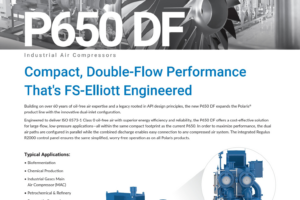
Polaris P650 DF Brochure
Maximize airflow and efficiency with FS-Elliott’s Polaris P650 DF (Double-Flow) centrifugal air compressor, delivering 10,000 to 20,000 CFM of ISO 8573-1 Class 0 oil-free air. Our brochure highlights its innovative dual-inlet design, compact footprint, advanced technologies, and performance features designed to support reliable, energy-efficient operation.

Polaris P750 Brochure
Experience high-capacity, energy-efficient performance with FS-Elliott’s Polaris P750 centrifugal air compressor, delivering up to 22,100 CFM of ISO 8573-1 Class 0 oil-free air. Our brochure highlights its compact design, advanced technologies, performance capabilities, and innovative features designed to support reliable operation and reduced lifecycle costs.

FS-Connect Brochure
Stay connected to your centrifugal compressors with FS-Elliott’s FS-Connect remote monitoring solution. Our data sheet highlights real-time monitoring, performance trending, notifications, and available subscription options designed to improve equipment visibility, support proactive maintenance, and minimize unplanned downtime.