










OEM vs Non-OEM Parts Explained: What Manufacturers See That Others Don’t
When your operation depends on continuous, high-performance output, the smallest component can have an outsized impact. At first glance, a non-OEM or aftermarket part may appear identical to the original. It may even fit.
But in precision equipment, “fits” and “functions” are not the same thing.
As the Original Equipment Manufacturer (OEM), we design, engineer, and validate every component using original performance data, proprietary material specifications, and rigorous testing protocols. Each part is developed as part of an integrated system—built for durability, efficiency, and long-term reliability.
That perspective gives us a clear view into what happens when third-party parts are introduced into high-performance equipment. Here’s what operators should understand, straight from the source.
Controlling a Multiple Compressor Installation Using Integrated Compressor Control
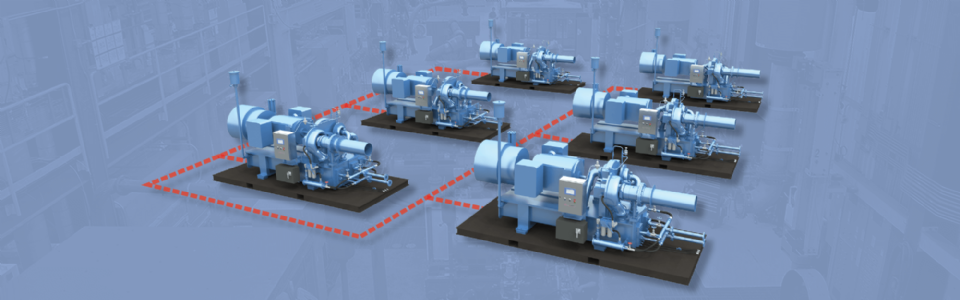
Integrated Compressor Control (ICC) is a coordinated sequencing feature that allows multiple compressors to maintain a constant system pressure while ensuring maximum energy efficiency and minimal blow-off.
When using the ICC feature, compressors are connected through an integrated Peer-to-Peer (P2P) network. The P2P network, coupled with the ICC sequencing software included in each of the local control panels, allows users to select any of the networked compressors as the master controller, thus creating redundancy and reducing cost by eliminating the need for a separate master controller.
Modernizing Your Compressor Controls: A Practical Guide to Improving Reliability and Efficiency
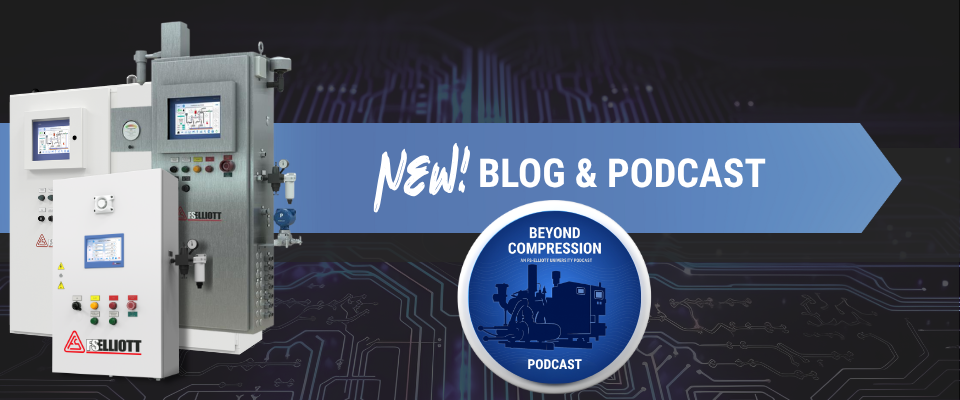
As facilities continue modernizing their operations, compressor control systems have become one of the most effective areas to improve reliability, energy efficiency, and day-to-day visibility. What began decades ago as simple protection logic has evolved into a plant-wide intelligence platform that helps operators run cleaner, safer, and more efficiently.
This blog highlights how compressor controls have evolved, why modernization matters, and what today’s systems can offer, while our latest Beyond Compression podcast episode takes a deeper dive into the full discussion.
Rerate or Replace? How to Maximize Compressor Efficiency Without New Equipment
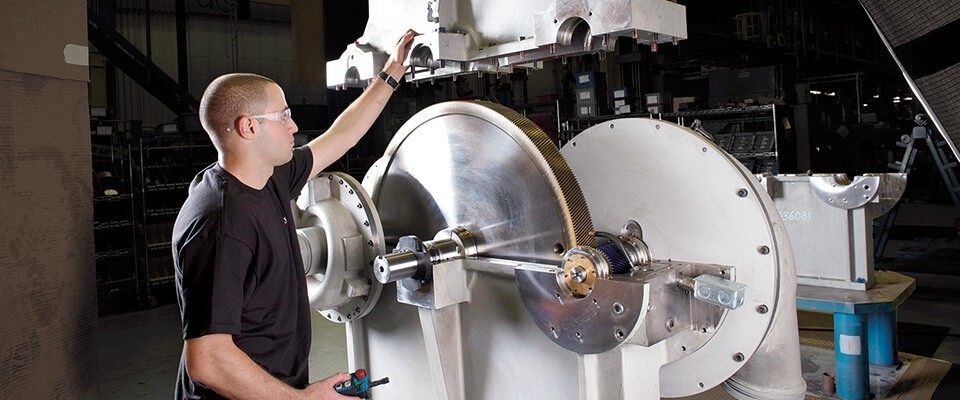
Rerating an existing compressor package provides a cost-efficient path to enhance plant air capacity without purchasing a new centrifugal compressor package. This approach eliminates the complexities associated with minimum bid procurement, budget approval, and permits for acquiring a new compressor. Organizations can increase capacity and efficiency by rerating existing equipment while saving time and money.
What’s the Difference Between Inlet Guide Vanes vs. Inlet Butterfly Valves?
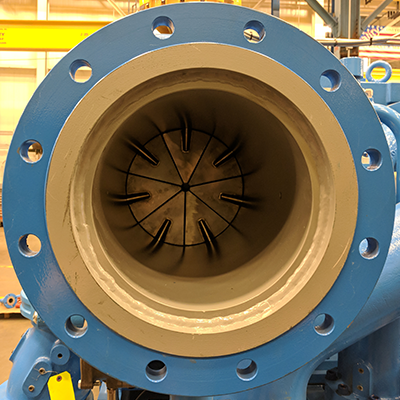
When evaluating the performance of a centrifugal compressor, few components have as much influence over energy efficiency and airflow control as the inlet control mechanism. Two common technologies, Inlet Guide Vanes (IGVs) and Inlet Butterfly Valves (IBVs), offer different approaches to managing inlet pressure and flow, each with its own impact on performance, energy use, and long-term operating costs.
How Often Should You Start and Stop an Air Compressor Motor?

In industrial environments where compressed air demand fluctuates, it’s common to start and stop the air compressor motor based on process needs. While this is standard practice, excessive or unnecessary cycling can damage internal components, especially the motor windings, and reduce long-term system reliability. Understanding how often is too often is key to protecting your compressor investment.
How to Prevent Your Air Compressor Motor from Overheating This Summer

Reduce the risk of failure in your centrifugal air compressor by thoroughly checking your motor this summer season. High temperatures and increased usage during warmer months can strain motor components, making it essential to stay vigilant. Below, we explore the most common causes of air compressor overheating and what you can do to prevent costly damage and downtime.
Protect Your Centrifugal Air Compressors This Summer with TurboCool Lubricant

As summer temperatures climb, ensuring your centrifugal air compressors are ready for the heat is critical to maintaining system performance and avoiding costly downtime. High temperatures and humidity levels put added stress on your equipment, especially on key components.
Discover How to Use Heat Recovery to Cut Your Energy Costs

In industrial operations, compressed air plays a vital role across a range of manufacturing processes. As air undergoes compression, its moisture content rises significantly. Air compressor manufacturers use intercoolers and aftercoolers to remove much of the water from the air stream to address this. Still, the coolers alone do not remove enough moisture for some applications, and an external dryer, particularly heat of compression (HOC) dryers, become critical.
API 614 and API 672 Air Compressor Standards Guide

Compressed air is often called the “4th utility” after electricity, water, and gas, making reliable air compression a critical part of any industrial process. The loss of compressed air can result in costly unplanned downtime, resulting in hundreds of thousands or even millions of dollars in lost production per day. This is particularly true in many Oil, Gas, Chemical, and Liquified Natural Gas (LNG) applications that rely on compressed air throughout the upstream and downstream processes.