







Air Compressors & Halloween Candy: A Spooky Connection?
octubre 28, 2020
The invention of centrifugal air compressors dates back about 100 years ago. At that time, candy manufacturers were also trying to find the perfect holiday or season to promote more candy sales. A few unknown holidays were invented, Sweetest Day and Candy Day, but neither became popular.
During the 1920s and 1930s, the tradition of trick or treating started to emerge. However, due to the outbreak of World War II, sugar rationing created a shortage of treats. In the 1940s, with sugar rationing no longer an issue, candy companies began launching advertising campaigns geared towards Halloween.
As centrifugal air compressors became more popular, the introduction of oil-free centrifugal compressors was a game-changer in food and beverage manufacturing. In the early 1970s, pre-packaged candy became the number one choice, and the official Halloween treats for kids.
Candy Processing & Manufacturing Requires Oil-Free Air
In a centrifugal compressor, lubricant performs several critical functions that help protect the compressor during continuous operation, including:
- Reducing friction and wear across bearings, gears, and other lubricated components
- Removing heat generated during operation
- Protecting critical components under sustained mechanical loads
- Helping maintain system cleanliness
Each of these functions depends on the lubricant maintaining its physical and chemical properties throughout its service life.
Even a high-quality lubricant can be affected by the conditions in which it operates. Elevated coolant or ambient temperatures, continuous duty, heavy loading, and long operating cycles can place greater stress on the fluid.
Over time, these conditions can accelerate lubricant degradation. As the fluid loses its ability to maintain proper viscosity, control deposits, and protect critical components, the risk of premature wear increases. Bearings, seals, and gearing can begin experiencing the effects long before there is an obvious change in compressor performance.
By the time reduced performance, elevated temperatures, or an unexpected trip occurs, degradation may have already been developing for an extended period.
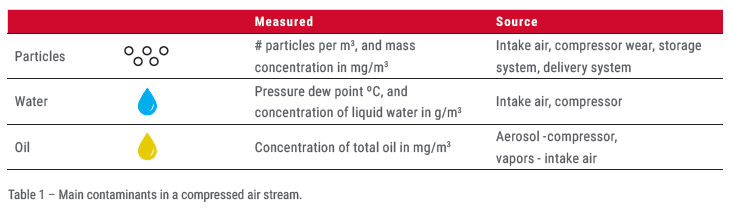
Without properly controlling the contaminants, candy and other products may be exposed to oil, moisture, and other particles that could lead to mold and bacteria growth. The impurities could affect the quality and taste of the candy, but most importantly, it could lead to customer illness, recalls, and damage to their brand’s reputation.
To summarize, did centrifugal air compressors help promote the popularity of pre-packaged candy for Halloween? Probably not. But we do know that oil-free, centrifugal air compressors improve the manufacturing process and ensure that oil-free air is readily available to safely make the sugary treats we love!
For more information on the manufacturing benefits of ISO 8573-1 Class 0, oil-free air please visit our What Can Oil Free Compressors Do for Your Plant blog post.
Keep Candy Production Sweet with Oil-Free Compressed Air
Connect with our team to explore how FS-Elliott’s ISO 8573-1 Class 0 oil-free centrifugal compressors can help protect product quality, reduce contamination risks, and support reliable compressed air performance throughout candy and confectionery manufacturing.
YOU MAY ALSO LIKE
Continue Reading

Cómo el aire comprimido afecta la calidad y la eficiencia de los productos en la fabricación de automóviles
La fabricación de automóviles depende de la presión de aire en prácticamente todas las etapas de la producción. Desde la ensambladura robótica y las operaciones de pintura hasta el manejo de materiales y la fabricación de baterías, la presión de aire impulsa procesos críticos que mantienen en marcha la producción.
Ethylene Plant Saves Over $100K Annually Through Compressed Air System Upgrades
A major ethylene production facility increased compressed air capacity and improved operational reliability through strategic system upgrades, achieving over $100,000 in annual energy and maintenance savings while meeting API 672 requirements.
Cast Iron Foundry Saves Over $55K While Increasing Compressed Air Capacity
A cast iron foundry increased compressed air capacity by 4,500 CFM while reducing energy consumption and maintenance costs through centrifugal compression, achieving over $55,000 in savings and improving operational efficiency.
How a paperboard manufacturer saved over $135K/year by employing a centrifugal compressor.
A paperboard manufacturer reduced operating costs and improved efficiency by transitioning from rotary screw compressors to centrifugal compression, achieving over $135,000 in annual energy and maintenance savings while introducing oil-free compressed air to its processes.