










How to Prevent Your Air Compressor Motor from Overheating This Summer

Reduce the risk of failure in your centrifugal air compressor by thoroughly checking your motor this summer season. High temperatures and increased usage during warmer months can strain motor components, making it essential to stay vigilant. Below, we explore the most common causes of air compressor overheating and what you can do to prevent costly damage and downtime.
Protect Your Centrifugal Air Compressors This Summer with TurboCool Lubricant

As summer temperatures climb, ensuring your centrifugal air compressors are ready for the heat is critical to maintaining system performance and avoiding costly downtime. High temperatures and humidity levels put added stress on your equipment, especially on key components.
Discover How to Use Heat Recovery to Cut Your Energy Costs

In industrial operations, compressed air plays a vital role across a range of manufacturing processes. As air undergoes compression, its moisture content rises significantly. Air compressor manufacturers use intercoolers and aftercoolers to remove much of the water from the air stream to address this. Still, the coolers alone do not remove enough moisture for some applications, and an external dryer, particularly heat of compression (HOC) dryers, become critical.
API 614 and API 672 Air Compressor Standards Guide
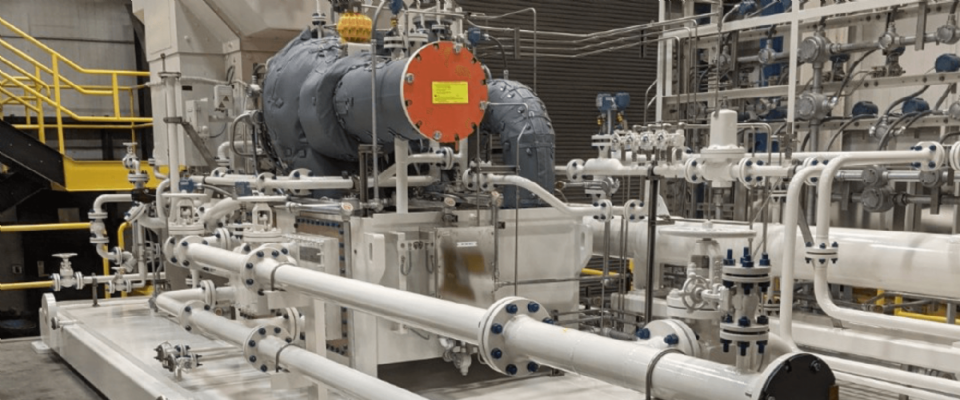
Compressed air is often called the “4th utility” after electricity, water, and gas, making reliable air compression a critical part of any industrial process. The loss of compressed air can result in costly unplanned downtime, resulting in hundreds of thousands or even millions of dollars in lost production per day. This is particularly true in many Oil, Gas, Chemical, and Liquified Natural Gas (LNG) applications that rely on compressed air throughout the upstream and downstream processes.
Understanding Differential Pressure in Your Compressors

Differential pressure (DP) refers to the variance in air pressure between two defined points within a compressor system. Monitoring DP provides insight into system efficiency, component wear, and early indicators of potential signs that your compressor needs maintenance. Whether you’re working with rotary screws or centrifugal compressors, understanding where this pressure difference occurs and why helps prevent performance degradation and unplanned downtime.
Meet the P400HPR: Powerful, Efficient High-Pressure Compressor
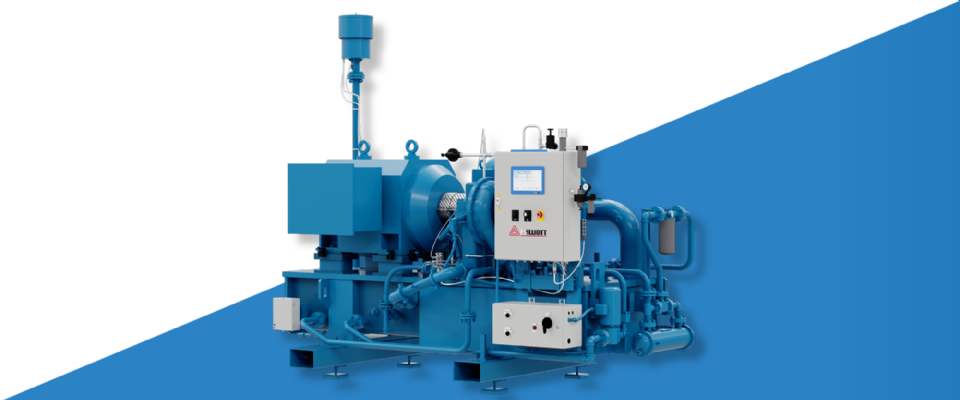
We are thrilled to unveil the latest addition to our compressor family – the P400HPR! With the P400HPR, we have taken high-pressure compression to new heights. Suppose you work in pharmaceuticals, food and beverage, aerospace, or general manufacturing. In that case, the P400HPR is built to handle your toughest compressed air needs while helping you control energy use and reduce operational costs.
How to Calculate Your Compressed Air Energy Costs

Energy usage accounts for up to 75% of a compressed air system’s total life-cycle cost, making it the single most significant expense for facilities operating industrial air compressors. While the initial purchase and ongoing maintenance matter, understanding your compressed air energy consumption is essential for identifying savings opportunities and optimizing system performance.
What Can Oil-Free Air Compressors do for Your Plant?

Across industries, plant operators face growing pressure to reduce operating costs, protect product quality, and meet stringent environmental standards. One of the most effective ways to meet all three goals is by integrating ISO 8573-1 Class 0 certified oil-free air compressors into your compressed air system.
Is Synthetic Lubricant Right for Your Compressor?

Now that you have invested in a centrifugal as your compressed air solution, it is important to understand the differences between using a full synthetic compressor lubricant and a general-purpose lubricant. The difference between the two options may surprise you.
Are Compressed Air Audits the Key to Lowering Your Energy Costs?

Manufacturing facilities spend nearly 40% of their energy costs on compressed air, having an efficient system is key to keeping expenses down and profits up. Unfortunately, not all systems operate in the most efficient manner possible, and we see it every day – compressors not appropriately sized, outdated technology, air leaks, pressure drops – the list can go on and on.